• Many art lovers agree that paintings have the power to capture not just a scene but also emotions and stories.

    Among the most celebrated artists in India, Raja Ravi Varma stands out for blending Indian traditions with European artistic techniques, creating timeless works that still inspire millions.

    In this article, you will discover who Raja Ravi Varma was, what makes his paintings unique, the themes he explored, his most famous works, and why his legacy continues to shine in the modern art world.

    Who Was Raja Ravi Varma?

    Raja Ravi Varma (1848–1906) was a legendary Indian painter born in Kilimanoor, Kerala. Often called the father of modern Indian art, he combined traditional Indian subjects with the realism of European oil painting. His ability to depict mythological scenes with lifelike expressions and rich details made him a pioneer of his time.

    Varma was not only admired in India but also internationally recognised. His work opened the doors for Indian art to be appreciated on a global stage during the late 19th and early 20th centuries.

    Why Raja Ravi Varma’s Paintings Are Unique

    Several factors make Raja Ravi Varma paintings stand out in art history:

    1. Fusion of Styles: He masterfully merged Indian themes with Western realism, especially the use of perspective, shading, and anatomy.
    2. Mythological Depth: Many of his works depict scenes from the Mahabharata, Ramayana, and Puranas, bringing these stories to life for a broader audience.
    3. Emotional Expression: His characters often display deep emotions, making viewers feel connected to the narrative.
    4. Cultural Preservation: By portraying Indian gods, goddesses, and royal figures in an accessible style, he preserved traditional imagery for future generations.

    Major Themes in Raja Ravi Varma’s Art

    1. Mythology and Religion

    Varma was deeply inspired by Hindu mythology. His paintings of gods, goddesses, and epic heroes were not just religious depictions they were vivid storytelling on canvas. He painted scenes like Shakuntala searching for Dushyanta and Damayanti talking to a swan, which brought ancient literature to visual life.

    2. Royal Portraits

    Being from an aristocratic background, Varma received commissions to paint royal families across India. These portraits showcased the grandeur, clothing, and jewellery of the elite while still retaining a human touch.

    3. Everyday Life

    Although best known for mythological themes, he also painted scenes from ordinary life. Women drawing water, children playing, and people in rural landscapes reflected his appreciation for simple moments.

    Famous Raja Ravi Varma Paintings

    Here are some of his most celebrated works:

    • Shakuntala Looking Back to Glimpse Dushyanta – A romantic moment from the Mahabharata, filled with delicate expressions and graceful poses.
    • The Milkmaid – Showcasing rural life with warmth and authenticity.
    • Damayanti and the Swan – An iconic work that combines beauty with mythological storytelling.
    • Jatayu Vadham – A powerful portrayal of the Ramayana scene where Jatayu fights Ravana.
    • Lady in the Moonlight – A poetic, atmospheric depiction of feminine beauty.

    Contribution Beyond Canvas

    One of Raja Ravi Varma’s most important contributions was making art accessible to common people. He established a printing press in 1894, which produced lithographic prints of his paintings. This made it possible for people who could not afford original artworks to still have his images in their homes.

    This step also changed the way Indians interacted with religious and cultural imagery, as Varma’s prints spread across the country and became part of popular culture.

    Influence on Modern Indian Art

    Many contemporary artists draw inspiration from Raja Ravi Varma’s approach to blending tradition with modernity. His work set a standard for portraying Indian subjects in a relatable yet sophisticated manner.

    Even today, his paintings are studied in art schools, reproduced in exhibitions, and referenced in cinema, advertising, and design. Collectors pay significant sums for his original works, and reproductions continue to be in demand.

    Where to See Raja Ravi Varma Paintings Today

    If you want to see his masterpieces in person, you can visit:

    • Sri Chitra Art Gallery, Thiruvananthapuram, Kerala – Houses an extensive collection of his works.
    • Laxmi Vilas Palace, Vadodara, Gujarat – Displays royal portraits painted by Varma.
    • Government Museum, Chennai, Tamil Nadu – Features selected works from different phases of his career.

    Additionally, many museums across India and private collections abroad hold his paintings, making them treasured possessions of cultural heritage.

    Why His Legacy Endures

    Raja Ravi Varma’s art continues to resonate because it bridges the gap between tradition and modernity. His ability to humanise gods and bring epics to life makes them timeless. Moreover, his printing press revolutionised art distribution, ensuring his work reached millions.

    He did not just paint pictures; he painted history, culture, and emotion in a way that still speaks to the heart today.

    Conclusion

    Raja Ravi Varma was more than a painter he was a storyteller, cultural ambassador, and visionary who shaped modern Indian art. His paintings capture the beauty of Indian mythology, the grace of royal life, and the warmth of everyday moments, all while using the precision and depth of European realism. Whether you view his work in a museum, see a print in a home, or encounter it in popular culture, Raja Ravi Varma’s art invites you into a world where tradition meets timeless beauty. His legacy is not just preserved in galleries but also in the hearts of those who cherish Indian art.
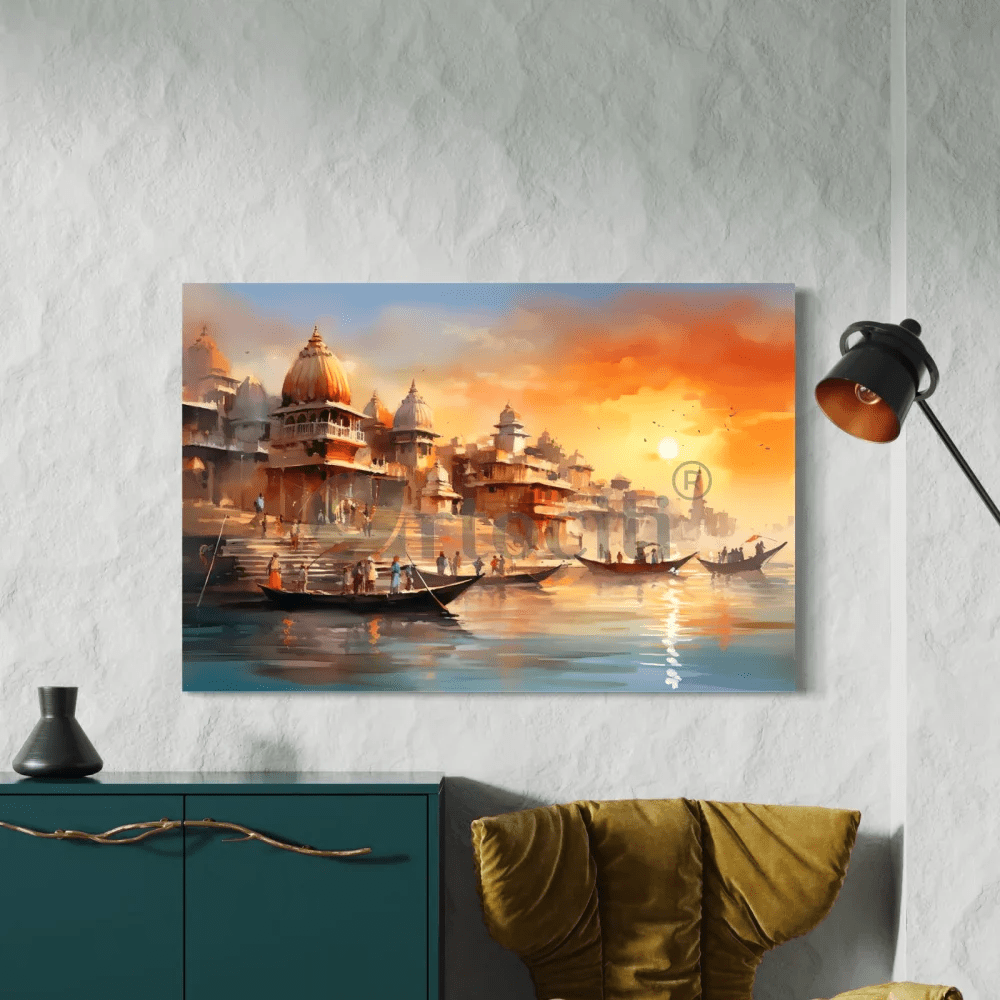
  • Festivals are a time for joy, togetherness, and fresh beginnings. They bring families together and fill homes with positive vibes. Your living room, being the heart of your home, sets the tone for the celebration. A beautiful painting can instantly transform it into a warm and inviting space for guests.

    The right painting does more than just decorate a wall. It can inspire conversations, uplift moods, and reflect the spirit of the season. Whether you love traditional themes, modern art, or nature-inspired visuals, choosing the right painting can make your living room shine this festival.

    A thoughtfully chosen piece of art not only enhances beauty but also creates an atmosphere of prosperity and happiness. From vibrant colors to auspicious symbols, paintings have the power to bring positive energy and make your celebrations more memorable.

    Why Paintings Are Perfect for the Festival Season

    Festivals in India and around the world are about aesthetics and positive vibes. Decorative lights, fresh flowers, and new upholstery are common upgrades, but paintings are often overlooked. Yet, they offer several benefits:

    • Instant Makeover – A painting can change the entire look of your living room in minutes.
    • Long-Lasting Appeal – Unlike temporary decorations, a painting stays beautiful throughout the year.
    • Cultural Connection – Festive paintings often feature symbols and themes that bring cultural richness to your space.
    • Positive Energy – Colors and designs can influence emotions and create a happy atmosphere.

    Top Painting Ideas for Your Living Room This Festival

    1. Traditional Indian Art

    From Madhubani to Pattachitra, traditional Indian paintings carry stories of heritage and devotion. They are perfect for adding a cultural touch to your living room during Diwali, Durga Puja, or Navratri. Bright colors and intricate details make them an instant eye-catcher.

    2. Radha Krishna Paintings

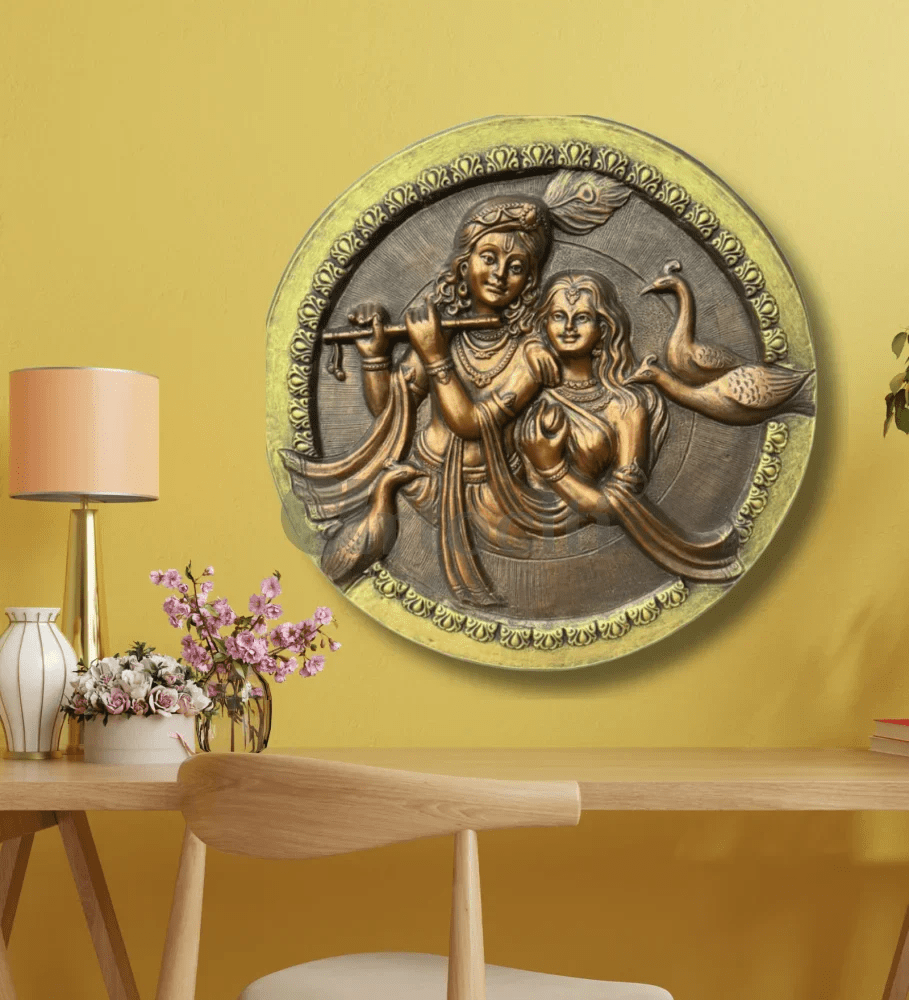
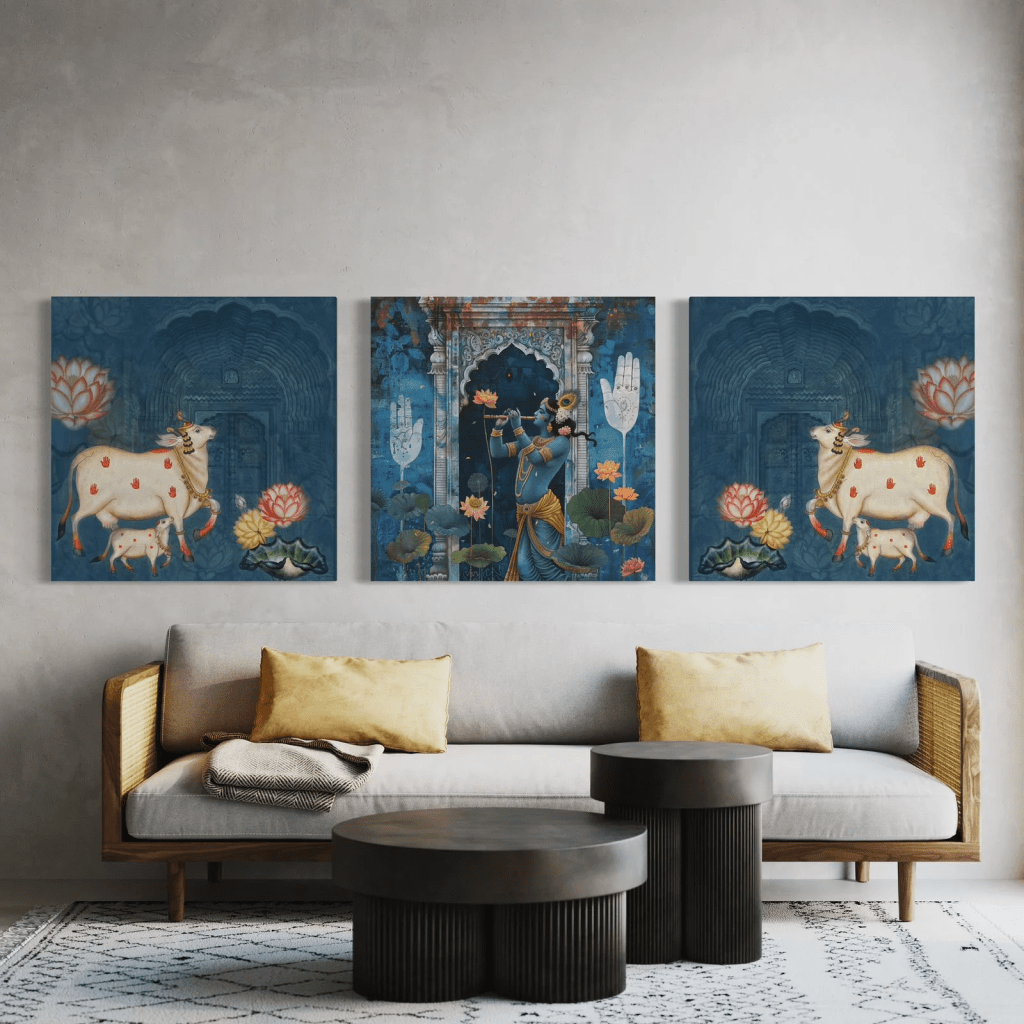
    Depicting love, harmony, and divine blessings, Radha Krishna paintings are a popular choice during Janmashtami and other Hindu festivals. Their vibrant tones and symbolic beauty create a calming yet celebratory mood.

    3. Abstract Festive Art

    If your home has a modern design, abstract paintings with festive colors like gold, red, and orange can add a touch of luxury. These artworks match contemporary furniture while keeping the seasonal theme alive.

    4. Nature-Inspired Paintings

    Landscapes, blooming flowers, or sunlit gardens bring freshness and positivity. Perfect for spring festivals like Holi or Baisakhi, they infuse your space with energy and joy.

    5. Auspicious Symbol Paintings

    Art featuring symbols like lotus flowers, elephants, lamps, or diyas is ideal for Diwali or Ganesh Chaturthi. These motifs are not only decorative but also believed to attract prosperity and good fortune.

    Choosing the Right Painting for Your Living Room

    Match the Festival Theme

    For Diwali, choose warm tones and light-themed art. For Christmas, opt for snowy landscapes or serene winter scenes. For Holi, go for colorful, energetic designs. Matching your painting with the festival keeps the atmosphere harmonious.

    Pick the Right Size

    A painting that is too small can look lost, while one that is too large can overwhelm the space. Measure your wall and choose accordingly. Above a sofa, a horizontally framed piece works best, while tall vertical paintings fit well in narrow spaces.

    Balance Colors with Your Decor

    If your furniture and curtains are neutral, go bold with vibrant paintings. If your space is already colorful, choose art with calming tones to create balance.

    Frame Style Matters

    Traditional wooden frames work well with classic art, while sleek metal or frameless designs suit modern paintings. The frame should enhance, not distract from, the artwork.

    Placement Tips for Maximum Impact

    • Focal Point – Place the painting where it naturally draws attention, like above the sofa or mantelpiece.
    • Eye Level – Hang it so the center of the painting is at eye level for most viewers.
    • Lighting – Use soft, focused lighting to highlight the painting and bring out its colors.
    • Grouping – You can also create a gallery wall with smaller paintings for a unique festive effect.

    Caring for Your Festive Paintings

    Paintings are valuable, so proper care is essential:

    • Dust them regularly with a soft cloth.
    • Keep them away from direct sunlight to prevent fading.
    • Avoid hanging in areas with excessive moisture.
    • Use glass protection for delicate or expensive artworks.

    Where to Buy Festive Paintings

    Whether you shop online or visit local art galleries, look for:

    • Authentic Artworks – Support local artists for unique, handmade pieces.
    • Prints and Replicas – If you’re on a budget, high-quality prints can still look stunning.
    • Customization – Some artists offer personalized paintings to match your home’s style and the festival theme.

    Popular platforms like Artociti, Pepperfry, and Etsy have a wide variety of festive paintings that cater to different tastes and budgets.

    Final Thoughts

    A painting is more than just wall decor. It is a storyteller, a mood setter, and a timeless keepsake. This festival season, let your living room reflect joy, culture, and elegance with the perfect piece of art. Whether you choose traditional motifs, divine portraits, or modern abstracts, your painting will not only enhance the beauty of your space but also fill it with warmth and positivity.

  • Your living room is the heart of your home. It’s where you relax, entertain guests, and spend quality time with family. But if the walls feel bare or dull, the entire space can seem lifeless. The good news? A single painting can transform the mood of your room, making it warm, stylish, and inviting.

    Whether you like traditional art, modern pieces, or spiritual themes, this guide will help you find the right paintings for your living room. We’ll explore different types, color choices, and placement ideas so you can turn your space into a personal masterpiece.

    We’ll break down:

    • Why art matters in your living room
    • The best types of paintings for different interior styles
    • Tips on size, color, and placement
    • How to choose artwork that reflects your personality

    Why Paintings Matter in Your Living Room

    A painting does more than just decorate a wall. It tells a story, sparks conversation, and shows your personal taste. The right painting can:

    • Add color and life to a plain wall
    • Create a focal point in the room
    • Reflect your personality and values
    • Set the mood calm, energetic, or balanced

    In short, art adds emotion and depth to your living space.

    Best Types of Paintings for Living Room Walls

    When it comes to living room art, there’s no one-size-fits-all. The best choice depends on your space, style, and what inspires you. Here are some popular options:

    1. Abstract Paintings

    Abstract art works well in modern or minimal homes. It uses colors, shapes, and textures to create emotion. Choose bold colors for energy or soft tones for a calm feel.

    2. Nature and Landscape Paintings

    Nature-inspired art brings a sense of peace. Think forest scenes, mountains, or oceans. These are great for earthy interiors or spaces that need a calm, balanced mood.

    3. Floral Art

    Flowers add freshness and charm. Large floral paintings work well in classic or vintage-themed rooms. Choose colors that match or contrast your furniture for a striking look.

    4. Traditional Indian Art

    If you love culture and heritage, go for Indian-style paintings like Madhubani, Pattachitra, or Warli. These are perfect for ethnic or boho-style homes.

    5. Spiritual Paintings

    Lord Ganesha, Buddha, or Radha Krishna paintings bring positivity and harmony. These work beautifully in homes that blend spiritual energy with elegant decor.

    Choosing the Right Size and Placement

    Even the most beautiful painting won’t work if it’s the wrong size or poorly placed. Follow these tips for perfect placement:

    • Go Big for Impact: For a large living room wall, use a single oversized painting or a set of two to three large frames.
    • Eye-Level Placement: Hang the center of the artwork at eye level around 57 to 60 inches from the floor.
    • Above Furniture Rule: If placing art above a sofa, the painting should be two-thirds the width of the furniture below it.
    • Gallery Wall: Mix and match small frames to create a gallery wall. Use consistent spacing and a unifying theme for a clean look.

    How to Pick the Right Colors

    Colors can change the energy of a room. Think about what mood you want to create:

    • Warm Colors (Red, Orange, Yellow): Great for cozy and lively spaces
    • Cool Colors (Blue, Green, Purple): Perfect for calm and peaceful vibes
    • Neutral Tones (Black, White, Gray): Offer elegance and balance
    • Metallic Accents (Gold, Silver, Copper): Add luxury and shine

    Make sure the colors of the painting complement your walls, curtains, and furniture. If your living room has neutral tones, a bold and colorful painting can serve as the focal point.

    Matching Paintings with Interior Styles

    Here’s how to match your painting with your room’s overall design:

    • Modern Style: Choose abstract or geometric paintings with clean lines
    • Traditional Style: Go for landscapes, portraits, or cultural art
    • Boho Style: Use colorful folk art, spiritual paintings, or textured canvas art
    • Minimalist Style: Stick to monochrome or line-drawn pieces
    • Eclectic Style: Mix different styles with bold colors and creative themes

    Where to Buy Quality Paintings

    Look for trusted art platforms like Artociti, which offer a wide range of handmade and printed paintings. Always check for:

    • High-quality canvas or paper
    • Authentic designs or artist signatures
    • Frame options to match your room
    • Return and shipping policies

    You can also support local artists or visit exhibitions to find unique, one-of-a-kind pieces.

    Final Thoughts: Let Art Tell Your Story

    Your living room should be a reflection of who you are. Paintings help you bring that vision to life. Whether you love bold abstract art or peaceful spiritual scenes, there’s something for every taste and style.

    Don’t rush the process. Take time to explore, visualize, and connect with the art you choose. After all, the best paintings aren’t just beautiful they speak to you and everyone who visits your home.

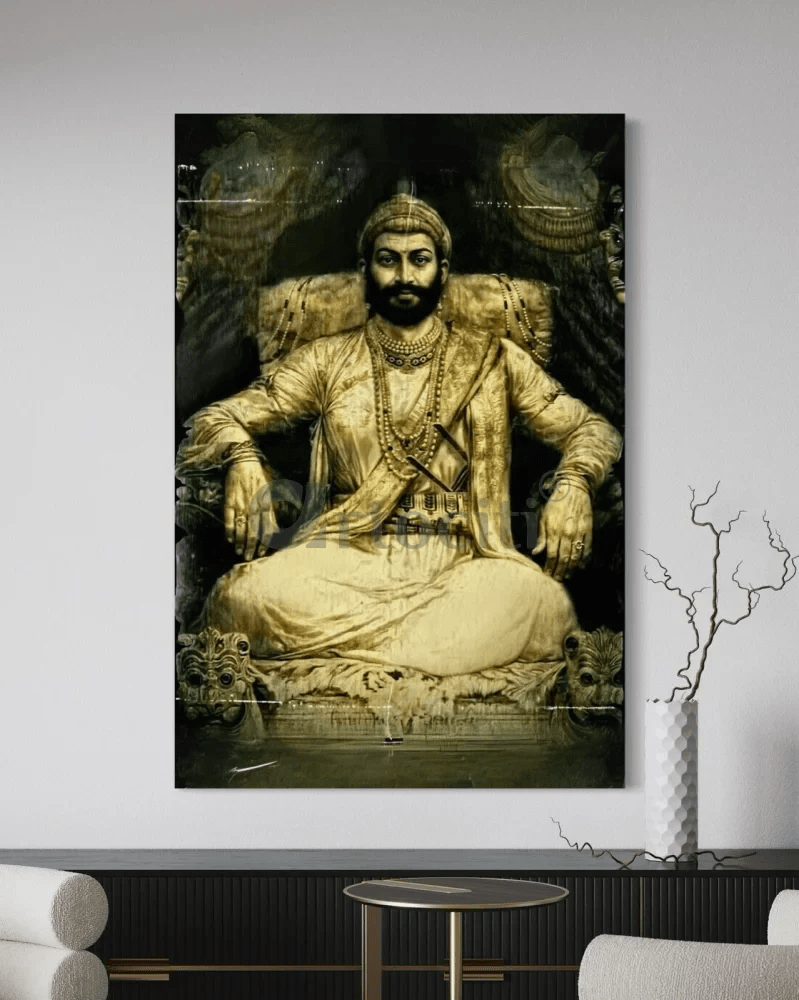
  • Are you fascinated by Indian history and legendary warriors like Chhatrapati Shivaji Maharaj?
    If yes, you’ll be amazed to learn that a rare and powerful photo of Shivaji Maharaj is displayed at a famous museum in London.
    In this blog post, we’ll uncover the story behind the Shivaji Maharaj photo at the London museum, why it matters, and how it connects Indian pride with global recognition.

    Who Was Chhatrapati Shivaji Maharaj?

    Chhatrapati Shivaji Maharaj was one of India’s greatest warriors and the founder of the Maratha Empire in the 17th century. Known for his bravery, strategic mind, and deep love for his people, Shivaji fought against the Mughal Empire and other foreign rulers to establish a sovereign Hindu kingdom.

    He built a strong naval force, constructed numerous forts like Raigad and Pratapgad, and championed justice and respect for women. His leadership continues to inspire millions, not just in India, but across the world.

    Why Is Shivaji Maharaj’s Photo in a London Museum?

    Many people are surprised to discover a historic photo or portrait of Shivaji Maharaj displayed in a London museum. The image, believed to be a British-era interpretation of the legendary king, has become a topic of interest among historians and the Indian diaspora.

    Here’s why this photo stands out:

    • Colonial History Connection: During British rule in India, many artifacts, records, and paintings were taken to Britain. Some were documented for research, while others became museum pieces.
    • Symbol of Resistance: Shivaji Maharaj was known for his fight against foreign domination. His image in a London museum reminds the world of India’s long struggle for freedom.
    • Cultural Representation: This photo is not just a portrait; it represents the story of a proud and resilient culture.

    Which London Museum Displays the Shivaji Maharaj Photo?

    While the exact museum may vary due to traveling exhibitions or changes in display, reports and travel blogs have highlighted sightings of Shivaji Maharaj’s photo or statue in:

    • The British Museum
    • Victoria and Albert Museum (V&A)
    • Museum of London

    These museums house several South Asian art collections, including rare paintings, statues, and documents from India’s Mughal and Maratha periods. Some digital archives have also listed Shivaji Maharaj-related artifacts.

    Visitors can often find artwork or visual representations in the South Asian galleries, which highlight the influence and history of Indian rulers during and after the colonial period.

    The Meaning Behind the Image

    Seeing Shivaji Maharaj’s photo in a foreign museum can be emotional for many Indians. It means more than just art on a wall—it reflects:

    • India’s Historical Brilliance: Shivaji’s presence in a global space showcases India’s rich heritage.
    • Global Recognition: The world now acknowledges Indian leaders as important figures in global history.
    • Inspiration for Future Generations: For Indian students and tourists visiting London, this serves as a proud moment of cultural identity.

    Many Indian families and history lovers take time to visit this photo, take pictures, and share their experiences online. It sparks conversations about India’s legacy and the importance of remembering our heroes.

    How to Visit the Museum and See the Photo

    If you’re planning to visit London, here are some tips to help you find the Shivaji Maharaj photo or related exhibits:

    1. Check Museum Websites: Go to the official websites of the British Museum, V&A Museum, or Museum of London to see current exhibits.
    2. Search Digital Archives: Some museums offer virtual tours and digital archives. You can search for “Shivaji Maharaj” in their online collections.
    3. Ask Museum Staff: If you’re on-site, ask museum guides or staff about Indian collections or specific Maratha exhibits.
    4. Visit During Indian Exhibitions: Special events like “India and the World” or exhibitions on colonial history may showcase these items more clearly.

    Where Else Can You Find Shivaji Maharaj Art?

    If you’re inspired by Shivaji Maharaj’s story and want to bring his image into your home, many online art stores offer stunning wall paintings and prints. These artworks capture his fearless spirit, regal clothing, and iconic sword. They make powerful décor pieces for living rooms, offices, or study areas.

    You can find collections on trusted websites like Artociti, which offer museum-style Shivaji Maharaj photos and paintings for history lovers.

    Final Thoughts: A Legacy Beyond Borders

    The Shivaji Maharaj photo in a London museum is more than a piece of art. It is a silent tribute to the courage, vision, and legacy of one of India’s greatest heroes. It reminds us that no matter where we go in the world, the story of India travels with us.

    Whether you view it in person or online, let this photo inspire you to learn more about your roots, share Shivaji’s story with others, and continue celebrating the leaders who shaped our future.

  • Radha Krishna wall paintings offer more than just decoration. They fill your space with calm energy, tell stories of timeless love, and create a peaceful atmosphere. At Artociti, you can explore a wide collection of Radha Krishna paintings that suit all types of homes and tastes. Whether you are a spiritual person or simply love Indian art, you will find something special here.

    The Meaning Behind Radha Krishna Art

    A Symbol of Eternal Love

    Radha and Krishna are well-known figures in Indian culture. Their story is a powerful symbol of eternal love, trust, and devotion. Krishna represents the divine, and Radha stands for the soul longing to connect with that divine love. A painting of Radha Krishna is more than just a piece of art. It brings positive energy, love, and harmony into your space.

    Why People Love Radha Krishna Paintings

    These paintings are loved by people of all ages. They are often placed in homes to create a calm and spiritual environment. You can display them in:

    • Living rooms
    • Bedrooms
    • Puja rooms
    • Meditation corners
    • Offices

    Radha Krishna paintings also make thoughtful gifts for special occasions like weddings, anniversaries, housewarmings, or festivals.

    Discover the Radha Krishna Collection at Artociti

    Handmade with Love

    Each painting at Artociti is made by skilled artists who use quality materials and traditional methods. The artists pay close attention to every detail, from facial expressions to the colors of the background. You can find paintings made with oil, acrylic, watercolor, or mixed media on high-quality canvas or board.

    These handcrafted artworks are ready to hang and made to last, giving your walls a unique and elegant look.

    A Style for Every Taste

    At Artociti, you’ll find many different styles and sizes of Radha Krishna paintings, including:

    • Traditional Art – Scenes from Vrindavan, Krishna playing the flute, or Radha Krishna dancing
    • Modern Art – Bold colors, simple lines, and creative designs
    • Miniature Paintings – Smaller pieces for cozy spaces
    • Large Wall Pieces – For living rooms or hallways

    Whether you prefer classic looks or modern designs, there is a painting that fits your space and personal style.

    Custom Orders Available

    Looking for something truly special? Artociti offers customization. You can choose the size, colors, background, and more. You can even request a painting based on a specific pose or scene. This is perfect if you want to match your room’s theme or give a unique gift.

    Why Artociti is a Trusted Choice

    Reliable and Easy Shopping

    Artociti is a trusted name in online art. The website is easy to use and offers clear photos and details for every product. You can shop from the comfort of your home and enjoy a smooth experience from browsing to delivery.

    Safe and Secure Packaging

    Every painting is packed with care using strong materials to prevent damage during shipping. Your artwork will reach you in perfect condition. Artociti delivers across India and also ships to select international locations.

    Loved by Customers

    Customers often share positive reviews about their experience. They praise the high-quality art, fast delivery, and friendly support. These reviews show that Artociti truly cares about customer satisfaction and product quality.

    Decorating Tips for Radha Krishna Paintings

    Pick the Right Spot

    Place the painting in a visible area where it can be appreciated. Above a sofa, near the entrance, or behind the bed are good options. In puja rooms or meditation corners, it can bring a calm and spiritual feeling.

    Match the Colors

    Choose a painting that fits well with your wall color or furniture. Soft backgrounds make bright paintings stand out, while darker shades can add a rich, elegant look. Adding warm lighting can also enhance the painting’s beauty.

    Hang at Eye Level

    For the best view, hang the painting so that its center is at eye level. This creates balance and helps people connect with the art more easily.

    Final Thoughts: Bring Home Love, Peace, and Blessings

    Radha Krishna wall paintings are not just beautiful they carry deep meaning and energy. They turn your home into a space filled with love, joy, and devotion. At Artociti, you’ll find a wide range of styles, sizes, and options to choose from. Whether you want to decorate your own home or give a thoughtful gift, Artociti makes it simple and affordable. From handmade paintings to custom pieces, every product is made with care and delivered with love.

  • Are you looking for a simple way to bring more success and good energy into your home or office? 7 horse painting might be exactly what you need. It’s more than just art it’s a symbol of strength, growth, and positive energy. Many people believe that placing 7 horse painting in the right place can improve your life in many ways.

    In this blog post, we will explain what the 7 horse painting means, why it is important in Vastu Shastra, and how to use it correctly to attract prosperity and good luck.

    What Is 7 Horse Painting?

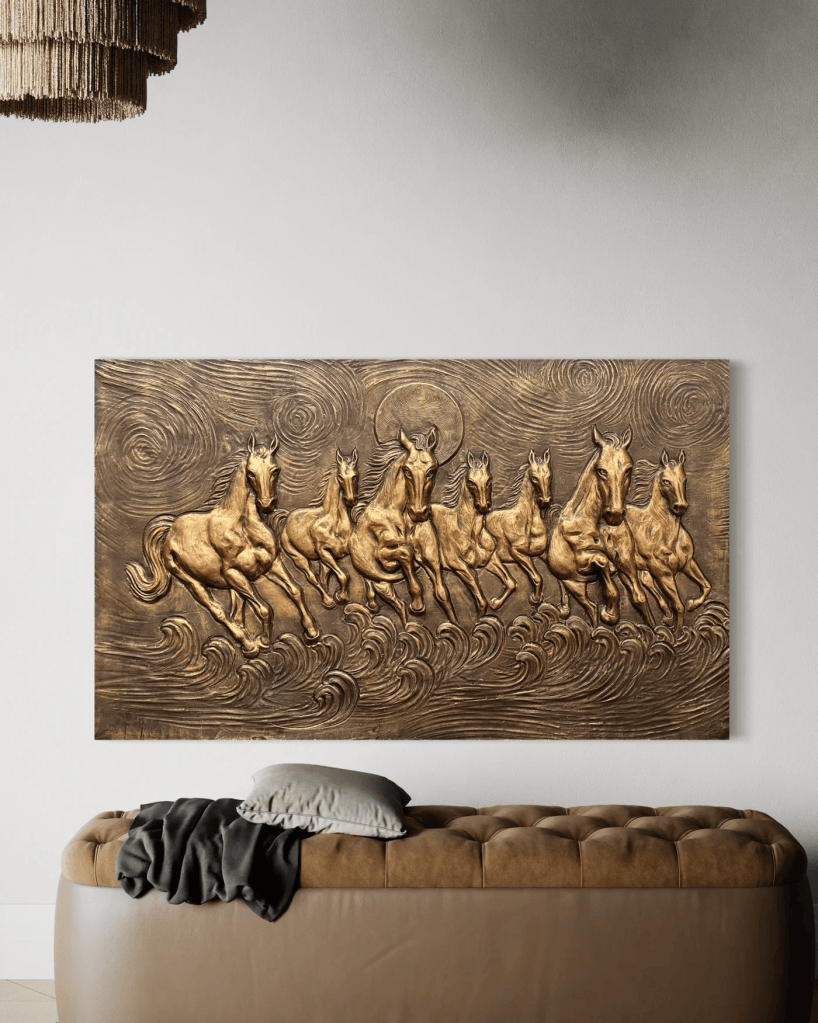
    A 7 horse painting is an artwork that shows seven horses running together. These horses are usually shown in motion, full of energy and speed. The image often features a natural background like a sunrise, ocean, or open field.

    This type of painting is popular in Indian homes and offices, especially among people who follow Vastu Shastra and Feng Shui. Horses, in general, are symbols of power, freedom, and progress. When seven horses are shown running together, they are believed to bring strong positive energy, wealth, and success.

    Symbolic Meaning of the 7 Horse Painting

    The number 7 holds spiritual and cultural importance in many traditions. In Hinduism, it is seen as a lucky number. There are 7 days in a week, 7 chakras in the body, and 7 colors in a rainbow. When combined with horses, this number adds strength to the overall energy of the painting.

    Here are the common meanings behind a 7 horse painting:

    • Speed and Progress: Running horses show forward movement. This can inspire growth in business or personal life.
    • Strength and Power: Horses are strong animals. They reflect physical and mental power.
    • Freedom and Independence: The open movement of horses represents breaking free from limits.
    • Success and Prosperity: This painting is thought to attract wealth and help in achieving goals.

    Vastu Shastra Benefits of 7 Horse Paintings

    Vastu Shastra is the ancient Indian science of architecture and energy balance. According to this system, every item placed in a space affects the energy flow.

    A 7 horse painting can improve the energy in your home or workplace. Here’s how:

    • Enhances Business Growth: If placed correctly, it can support progress and success in career or business.
    • Removes Obstacles: The powerful image of horses breaking forward helps remove delays and problems.
    • Brings Peace and Harmony: It promotes calmness and positive vibes at home.
    • Improves Focus and Confidence: Looking at this painting daily can inspire motivation and determination.

    Best Placement for a 7 Horse Painting

    To get the full benefits of this painting, you must place it in the right direction. Here are some simple Vastu guidelines:

    1. Face the East Wall

    The best direction to hang a 7 horse painting is on the east wall of your home or office. East represents growth, beginnings, and new opportunities.

    2. North Wall is Second Best

    If east is not available, the north wall is the next best option. North is linked with wealth and career development.

    3. Avoid South Wall

    Never place the painting on the south wall as it is believed to block positive energy.

    4. Choose a Clean and Open Space

    Hang the painting in a space where it is easy to see. Avoid cluttered or low-energy areas.

    What to Look for When Buying a 7 Horse Painting

    Not all paintings are the same. Keep these things in mind while choosing one:

    • All Horses Should Be Visible: Make sure all seven horses are clearly shown.
    • No Horse Should Look Sad or Injured: The energy of the painting depends on how strong and healthy the horses appear.
    • Colors Should Be Bright and Positive: Choose artwork that uses warm tones like orange, red, or golden to bring in good vibes.
    • Horses Should Be Moving Forward: The direction of the run matters. They should appear to be moving from left to right, which signals progress.

    7 Horse Painting vs Other Symbolic Art

    You might wonder why choose a 7 horse painting over other popular artworks like Buddha paintings or tree of life images. The answer depends on your personal goals.

    • Want peace and calm? Go for a Buddha painting.
    • Want spiritual growth? A tree of life might be right.
    • Want success and forward movement? A 7 horse painting is your best bet.

    Final Thoughts

    7 horse painting is more than a decorative item it’s a symbol of progress, strength, and prosperity. When placed correctly according to Vastu Shastra, it can bring in good energy and support your goals, both personal and professional. Whether you are setting up a new office, redecorating your home, or just looking for a boost in motivation, a 7 horse painting can be a powerful and meaningful addition to your space. So, choose the right one, place it wisely, and let the energy of these seven mighty horses inspire your journey ahead.

  • Are your walls looking dull and lifeless? Add life, style, and personality with stunning mural paintings from Artociti.

    In this blog, we will show you why mural paintings are a perfect choice for home decor and how Artociti makes it easy to bring beautiful art into your space.

    What is a Mural Painting?

    A mural painting is a large artwork painted or applied directly to a wall. These artworks often tell a story, showcase a theme, or simply add color and charm to a space. Murals have been used for centuries in palaces, temples, homes, and even public spaces to inspire and express creativity.

    Unlike regular wall art or framed paintings, mural paintings cover a wider area and make a bold statement. They turn any plain wall into a centerpiece that grabs attention.

    Why Choose Mural Paintings for Your Home?

    Mural paintings are more than just decoration. They have the power to:

    1. Make a Room Feel Alive

    A well-chosen mural adds color and emotion to a room. It can turn a simple living room into a cozy retreat or make a dining area feel elegant and welcoming.

    2. Express Your Personality

    Whether you love nature, history, mythology, or modern designs, murals can reflect your unique style. They help turn your house into a home that speaks about who you are.

    3. Create a Focal Point

    Murals draw the eye and become the highlight of a room. When guests enter, they will naturally be drawn to your beautiful wall art. It makes your space memorable.

    4. Enhance Mood and Atmosphere

    The right mural can create a calming, inspiring, or uplifting mood. For example, a mural of a peaceful forest can bring a sense of calm, while vibrant abstract art can energize the space.

    Why Buy Mural Paintings at Artociti?

    At Artociti, we believe every wall deserves a masterpiece. Here is why thousands of art lovers choose Artociti for their mural needs:

    1. Wide Range of Designs

    Artociti offers a rich collection of mural paintings that suit all tastes and interiors. From traditional Indian murals to modern abstracts and nature-inspired scenes, there is something for everyone.

    2. Handcrafted by Skilled Artists

    Each mural painting at Artociti is hand-painted by experienced artists. We use high-quality materials and fine details to ensure every piece is a work of art you can be proud of.

    3. Custom Size and Style Options

    Not every wall is the same, and we understand that. Artociti offers flexible sizing options and custom designs. Whether you want a mural for your living room wall or a smaller one for a cozy nook, we can help.

    4. Affordable and High Quality

    While mural paintings are often seen as luxury items, Artociti makes them accessible. We offer premium quality at prices that suit your budget. You do not have to break the bank to own amazing art.

    5. Easy Online Shopping

    With a user-friendly website, safe payment options, and secure delivery, buying mural paintings at Artociti is a smooth experience. You can browse, choose, and order your favorite art pieces from the comfort of your home.

    Where to Use Mural Paintings at Home?

    Mural paintings can enhance almost any part of your house. Here are a few ideas:

    • Living Room: Add drama with a nature or mythology-themed mural.
    • Bedroom: Choose calm, soothing designs for a restful feel.
    • Dining Area: Create a classy or cozy atmosphere with murals inspired by culture or food.
    • Hallways and Entryways: Make a great first impression with bold art.
    • Kids’ Rooms: Pick fun, colorful murals to spark imagination and play.

    Tips for Choosing the Right Mural Painting

    Here are a few simple tips to help you choose the perfect mural from Artociti:

    • Match Your Decor: Look for colors and themes that go well with your existing furniture and walls.
    • Think About Size: Measure your wall before you shop. A mural should fit well without overwhelming the space.
    • Go with Your Heart: Choose a design that makes you feel something. Art should speak to you and make you happy every time you see it.

    Caring for Your Mural Painting

    To keep your mural looking fresh and beautiful:

    • Keep it away from direct sunlight to avoid fading.
    • Use a soft cloth to dust it gently.
    • Avoid using harsh cleaning chemicals.
    • If framed or protected with glass, clean the surface with care.

    Final Thoughts: Give Your Walls the Art They Deserve

    Mural paintings are more than wall decor. They are expressions of emotion, culture, and personality. If you want to add beauty, meaning, and charm to your home, there is no better way than choosing a mural painting from Artociti.

    With handcrafted quality, a wide variety of designs, and easy online ordering, Artociti makes it simple to turn your space into a work of art.

    Start your journey today. Explore Artociti’s mural collection and let your walls tell a beautiful story.

  • If you’re someone who loves art that speaks to your soul, then boho canvas painting might be exactly what you’re looking for. It is full of color, charm, and character. And at Artociti, you’ll find some of the most beautiful and affordable boho-style artworks to light up your home.

    This blog will show you what makes boho canvas painting special and why Artociti is the best place to find it.

    Keep reading to explore the unique features of boho art, how to style it in your space, and why Artociti is your go-to destination for this creative trend.

    What is Boho Canvas Painting?

    Boho, short for bohemian, is more than just an art style. It is a way of life that values creativity, freedom, and a mix of cultures. Boho canvas painting often features earthy tones, flowing patterns, and a carefree spirit.

    These paintings may include elements like:

    • Nature-inspired shapes
    • Abstract faces and bodies
    • Tribal patterns
    • Mandalas
    • Dreamcatchers
    • Soft florals

    Boho paintings are perfect for people who enjoy a relaxed, free-spirited vibe in their homes. They’re not too formal or traditional. Instead, they bring in warmth, peace, and personality.

    Why Choose Boho Art for Your Home?

    Boho canvas art has become very popular in modern home decor. Here’s why it stands out:

    1. Versatility in Styling

    Whether your home is minimalist or full of color, boho art fits right in. You can hang a boho canvas in your living room, bedroom, or even a cozy reading nook. It pairs well with natural materials like wood, rattan, and linen.

    2. Brings a Sense of Calm

    Boho art often uses soft colors and flowing designs. This makes it perfect for creating a calm and relaxing space. It feels inviting and adds a gentle rhythm to your walls.

    3. Expresses Your Personality

    No two boho artworks are the same. Each piece has its own story. By choosing one that speaks to you, you’re adding a personal touch to your home. It’s a reflection of your free and creative spirit.

    Why Buy Boho Canvas Paintings from Artociti?

    Artociti is a trusted name when it comes to quality and creativity in home art. Here’s why Artociti should be your first choice for boho canvas paintings:

    1. Wide Range of Designs

    From calming neutrals to vibrant patterns, Artociti offers a wide range of boho paintings to suit every taste. Whether you love simple lines or bold splashes of color, there is something for everyone.

    2. Handcrafted by Talented Artists

    Each canvas is carefully crafted by skilled artists who understand the soul of boho design. The attention to detail and artistic flair ensure that you get a painting that feels both authentic and beautiful.

    3. Ready to Hang

    Artociti’s boho canvas paintings come ready to hang. You don’t need to worry about framing or mounting. Just pick your favorite spot and add that instant charm to your home.

    4. Affordable and High Quality

    Artociti believes that great art should not come with a high price tag. Their boho canvas collection is budget-friendly without compromising on quality.

    How to Style Boho Canvas Art in Your Home

    Adding boho paintings to your space is easy. Here are a few tips to help you get started:

    Choose a Focal Wall

    Pick a wall where you want the painting to shine. This could be above your bed, behind your sofa, or at the end of a hallway.

    Mix and Match

    Don’t be afraid to mix different canvas sizes and designs. Boho style is all about layers and textures. You can even pair your boho canvas with wall hangings or mirrors for a cozy look.

    Let Nature In

    Boho style often draws from nature. Add some indoor plants around your painting to create a natural, earthy vibe.

    Keep It Personal

    Use boho canvas art to reflect your own personality. Choose pieces that remind you of your travels, your dreams, or your favorite colors.

    What Makes Boho Art a Lasting Trend?

    Trends may come and go, but the charm of boho art remains strong. That’s because it is rooted in freedom, self-expression, and a deep connection with nature and culture. Boho canvas paintings are not just decorations. They are pieces of joy that speak to the heart.

    At a time when many people are looking for calm and comfort in their homes, boho art offers a perfect blend of peace and personality.

    Final Thoughts

    If you’re looking to add color, warmth, and soul to your living space, boho canvas painting is the way to go. And with Artociti, you don’t just get beautiful art—you get a piece that reflects your unique spirit.

    Whether you are decorating a new space or giving your home a fresh update, explore the stunning boho collection at Artociti. It’s affordable, stylish, and made with love. Visit Artociti today and find the perfect boho canvas painting to match your style. Let your walls speak the language of art and freedom.

  • For centuries, the eternal love story of Radha and Krishna has transcended time, inspiring poets, musicians, and artists to capture its essence through their crafts.

    In this blog post, we’ll explore the historical roots of Radha Krishna artistic paintings, decode their profound symbolism, examine traditional and contemporary techniques, and provide insights into collecting or commissioning these divine artworks.

    By the end, you’ll gain a deeper appreciation for this sacred art form, understand its cultural significance, and discover how it continues to resonate in today’s creative world.

    1. Historical Significance of Radha Krishna Paintings in Indian Art

    The tradition of Radha Krishna paintings dates back to ancient India, flourishing during the Bhakti movement (8th–17th century). These artworks were not merely decorative but served as spiritual conduits, illustrating episodes from sacred texts like the Bhagavata Purana and Gita Govinda. Regional schools like the KangraRajasthani, and Pahari styles refined the art, blending vibrant colors with intricate detailing to depict divine leelas (playful acts) of the celestial couple.

    Key historical milestones include:

    • 16th-century Miniature Paintings: Commissioned by Mughal emperors and Rajput kings, these works fused Persian influences with Indian spirituality.
    • Ravi Varma’s Renaissance: Raja Ravi Varma’s 19th-century oleographs democratized Radha Krishna imagery, making it accessible to households.

    2. Symbolism in Radha Krishna Art: Decoding Divine Love

    Every element in a Radha Krishna painting carries layered meanings, rooted in Hindu philosophy:

    • Peacock Feather (Krishna’s Crown): Symbolizes beauty, immortality, and Krishna’s connection to nature.
    • Flute: Represents the call of the divine, drawing devotees (like Radha) toward spiritual awakening.
    • Lotus Flowers: Signify purity and the blossoming of love amidst life’s challenges.

    Artists often juxtapose Radha’s human devotion with Krishna’s divine playfulness to illustrate the soul’s yearning for union with the Supreme. The rasa lila (cosmic dance) scenes, bathed in moonlit hues, epitomize this balance of earthly emotion and transcendental bliss.

    3. Traditional Techniques for Creating Authentic Radha Krishna Artworks

    Authentic Radha Krishna paintings adhere to time-honored methods, ensuring spiritual and aesthetic integrity:

    • Natural Pigments: Artists use minerals, plants, and stones (e.g., lapis lazuli for blue, saffron for orange) for longevity.
    • Brushes & Canvases: Fine squirrel-hair brushes and handmade paper or silk create delicate features and flowing drapery.
    • Gold Leaf Embellishments: Gold symbolizes divinity, often highlighting halos or jewelry.

    Modern workshops in Jaipur and Nathdwara still practice these techniques, preserving the legacy of masters like Nihal Chand and Sahibdin.

    4. Contemporary Radha Krishna Art: Fusion of Tradition and Innovation

    Today’s artists reinterpret this timeless theme through modern lenses:

    • Digital Art & Mixed Media: Platforms like Instagram showcase digital artists blending Tanjore-style iconography with 3D effects.
    • Abstract Interpretations: Painters like Anjolie Ela Menon use bold strokes to evoke emotion over literal representation.
    • Global Influences: Japanese artist Yuko Yamamoto merges Krishna’s motifs with Ukiyo-e aesthetics, symbolizing universal love.

    Despite innovations, the core theme—prema bhakti (devotional love)—remains unchanged, proving the adaptability of this sacred narrative.

    5. How to Choose a High-Quality Radha Krishna Painting: Expert Tips

    Whether buying for devotion or décor, consider these factors:

    • Provenance: Opt for artworks from reputed galleries (e.g., Chitrakala Parishath) or certified artists.
    • Material Authenticity: Handmade papers, natural dyes, and aged canvas indicate traditional craftsmanship.
    • Artist Reputation: Research contemporary names like Kailash Raj or Manish Soni, celebrated for their detail-oriented works.

    For commissions, discuss symbolism preferences (e.g., specific leelas or color palettes) to personalize the piece.

    6. The Cultural Impact of Radha Krishna Art Beyond Spiritual Contexts

    Radha Krishna paintings have permeated global culture:

    • Interior Design: Designers use muted Madhubani-style pieces for minimalist spaces or opulent Tanjore art for statement walls.
    • Fashion & Merchandise: Designers like Sabyasachi Mukherjee incorporate motifs into textiles, while Etsy sellers offer Radha Krishna-themed home décor.
    • Festivals & Weddings: These paintings adorn mandaps and invitations, symbolizing eternal union.

    7. Preserving Radha Krishna Art for Future Generations

    Initiatives by organizations like INTACH (Indian National Trust for Art and Cultural Heritage) and digital archives by Google Arts & Culture ensure these artworks survive modernization. Collectors are urged to avoid synthetic reproductions, which dilute cultural value.

    Conclusion: The Timeless Allure of Radha Krishna Artistic Paintings
    From ancient temples to modern art galleries, Radha Krishna art remains a testament to humanity’s quest for divine love and beauty. Whether you’re a devotee, art enthusiast, or cultural historian, these paintings offer a window into India’s spiritual and artistic soul. As the art evolves, its essence—capturing the dance between the mortal and the eternal—stays forever unchanged.

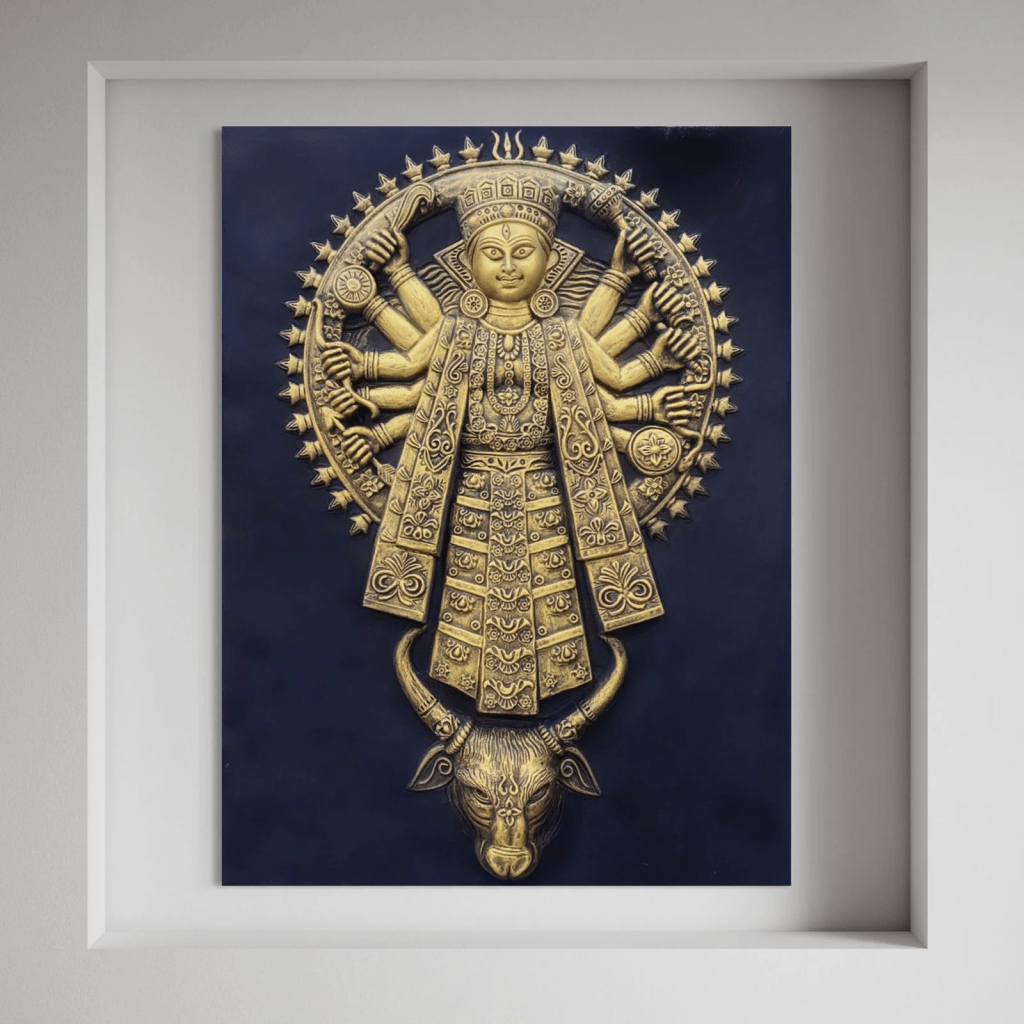
  • If you’ve ever stood in front of a Maa Durga painting, feeling awe sweep over you like a tide of energy and reverence, you’re not alone. Across generations, people have found themselves captivated by the aura and symbolism embedded in these sacred artworks.

    In this blog, we’re going to delve into the origins, styles, and spiritual depth of Maa Durga paintings — not just as visual art, but as a cultural, religious, and emotional experience.

    You’ll learn about the rich history of Maa Durga in Indian art, various regional painting styles, symbolism in her imagery, and how these paintings are created today — both traditionally and in contemporary forms. Whether you’re an art lover, a spiritual seeker, or just someone fascinated by Indian culture, this deep dive will inspire and inform.

    The Spiritual Significance of Maa Durga in Hindu Culture

    Maa Durga is not just a goddess; she is the embodiment of Shakti (divine feminine power). In Hindu mythology, she is the slayer of the demon Mahishasura, the destroyer of evil, and the protector of dharma (righteousness). Her image evokes strength, grace, and compassion in equal measure.

    Maa Durga paintings often depict her with ten arms, each holding a symbolic weapon gifted by other gods. Her lion mount represents courage, while her calm facial expression amid battle represents inner peace — a balance of ferocity and serenity.

    These elements aren’t just symbolic; they communicate deep philosophical values. To devotees and art lovers alike, each stroke in a Durga painting represents layers of meaning.

    Historical Origins and Evolution of Maa Durga Artworks

    Early Depictions in Ancient Temples and Manuscripts

    Durga’s visual representation dates back thousands of years. Sculptural and painted forms of the goddess have appeared in ancient temples, palm-leaf manuscripts, and cave murals — particularly in regions like Odisha, West Bengal, and Tamil Nadu.

    The Gupta period (4th to 6th century CE) witnessed a flourishing of religious art, where Durga was often painted or carved in stone as the warrior goddess, symbolizing cosmic power. Over time, her depiction transitioned from rigid temple iconography to more expressive and colorful portrayals on canvas and paper.

    Medieval and Mughal Influences

    During the medieval period, regional styles like Pattachitra from Odisha, Madhubani from Bihar, and Kalighat painting from Bengal began incorporating Durga motifs in their folk traditions. These styles offered a more localized flavor to the goddess’s image — reflecting the customs, costumes, and even politics of their time.

    Different Styles of Maa Durga Paintings Across India

    1. Pattachitra: The Intricate Devotion from Odisha

    The Pattachitra style, known for its detailed lines and mythological themes, often showcases Maa Durga in her Mahishasura Mardini form. The colors are bold, the figures stylized, and the storytelling dramatic. The entire painting is traditionally done on cloth using natural dyes and minerals.

    2. Madhubani: Folk Art with Symbolic Depth

    In Madhubani painting, artists use fingers, twigs, or matchsticks to draw vivid depictions of Durga with floral patterns, peacocks, and geometric borders. Originating from Mithila, this art form is not just decorative but deeply ritualistic, especially during festivals like Navaratri and Durga Puja.

    3. Kalighat Paintings: Urban Folk Style of 19th Century Bengal

    Kalighat artists brought Durga closer to the common people. Painted on mill-made paper with watercolors, these artworks captured scenes from the Durga Puja celebrations in Kolkata, with strong brushwork and satire often interwoven with religious sentiment.

    4. Contemporary and Digital Interpretations

    Today, artists continue to explore Maa Durga’s image in modern mediums — from oil on canvas to digital art and mixed media. While traditional motifs remain, many contemporary artists reinterpret Durga as a symbol of feminine empowerment, resistance, and resilience in a modern context.

    The Symbolism in Maa Durga Paintings: More Than Just Visuals

    Each element in a Maa Durga painting carries meaning:

    • Ten Arms: Mastery over all aspects of existence.
    • Weapons: Gifts from gods — symbols of divine support and readiness.
    • Trident (Trishul): The three gunas — Sattva (balance), Rajas (activity), Tamas (inertia).
    • The Lion: Bravery and determination.
    • Mahishasura: The ego, which must be conquered.

    These symbols go beyond religious storytelling. They offer lessons in personal growth, spiritual strength, and overcoming inner demons.

    Why People Buy and Display Maa Durga Paintings Today

    1. Spiritual and Emotional Connection

    For many, a Durga painting is not merely decoration; it’s a source of protection, inspiration, and empowerment. People often place her image at home entrances, puja rooms, or meditation corners.

    2. Artistic Appreciation

    Collectors admire the craftsmanship — from the brushstrokes of a Pattachitra to the raw vibrancy of Kalighat. These paintings are often displayed in galleries and art fairs, and their value increases over time.

    3. Cultural Pride and Identity

    For diasporic Indians, owning a Maa Durga painting is a connection to home, festivals, and shared memories. It’s a piece of heritage that transcends time zones and generations.

    How to Choose the Right Maa Durga Painting for Your Space

    When selecting a Durga painting, consider:

    • Style: Traditional or contemporary?
    • Medium: Hand-painted canvas, digital print, or textile art?
    • Artist: Support local or folk artists when possible.
    • Symbolism: Which form of Durga resonates most — Mahishasura Mardini, Annapurna, or Chandraghanta?

    Also, remember that authenticity matters. Choose sellers or galleries that offer certified hand-painted artworks, especially for traditional styles like Pattachitra or Madhubani.

    Preserving and Promoting the Legacy of Maa Durga Paintings

    While demand for these paintings has grown, especially during festivals, many traditional artists struggle with recognition and fair compensation. Supporting artisan communities, buying ethically sourced artwork, and educating others about the cultural significance of Durga paintings can help preserve this invaluable heritage.

    Governments and NGOs are also working on digitizing archives, offering online platforms for folk artists, and organizing exhibitions globally — all efforts that contribute to Durga’s enduring legacy in art.

    Conclusion: A Divine Canvas of Strength and Spirit

    A Maa Durga painting is more than an artwork — it’s a living expression of devotion, culture, and inner power. Whether you’re drawn to her fierce form or her peaceful gaze, the goddess speaks through every color, symbol, and brushstroke.

Design a site like this with WordPress.com
Get started